The Initial Idea
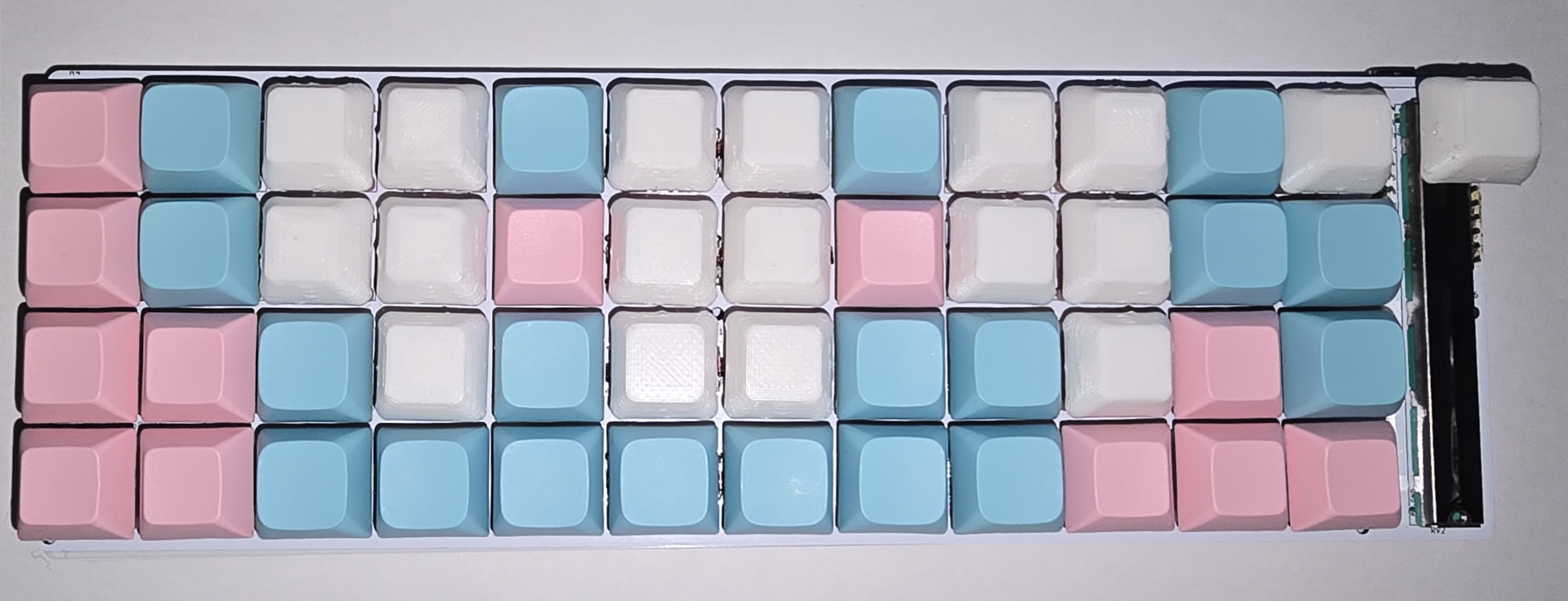
The 40-MOS project was born out of a desire to merge ultra-minimalist ergonomics with tactile analog control. As a fan of the 40% form factor, I wanted to move beyond the limitations of standard layouts. The goal was simple: create a compact, ortholinear daily driver that reduces finger travel while adding a unique physical slider for granular control that a simple keypress just can't replicate.
Conception
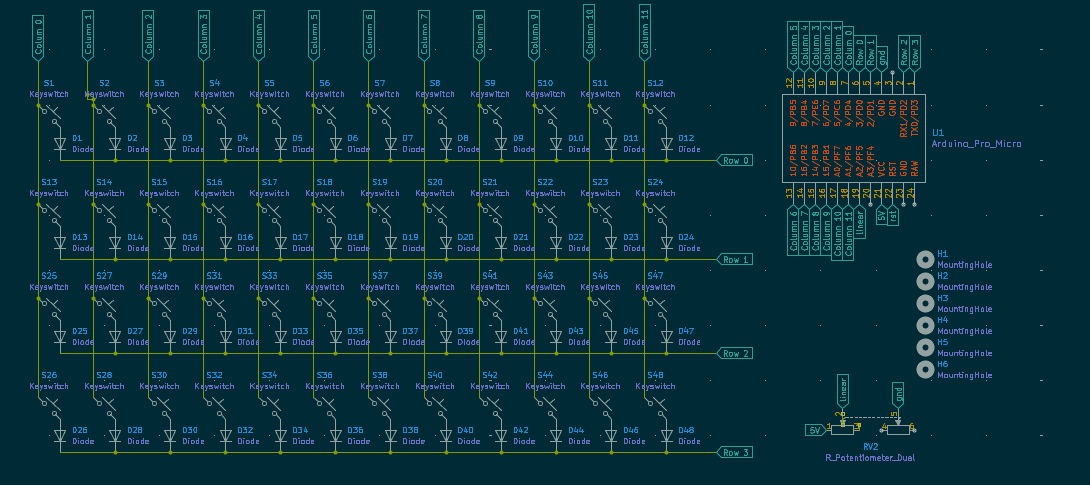
Designing an ortholinear board requires a shift in perspective. The 40-MOS features a grid-based layout to optimize muscle memory and typing efficiency. The "MOS" stands for the integration of a linear potentiometer (slider), which I wired to handle tasks like volume mixing, code scrolling, or opacity adjustments in design tools. I spent a significant amount of time fine-tuning the QMK/VIA firmware to ensure the slider felt responsive and perfectly integrated into my workflow.
The Result
The final iteration of the 40-MOS is a testament to the "less is more" philosophy. It’s a sturdy, high-performance tool that fits perfectly into a mobile developer setup. By utilizing layers and the analog slider, I managed to pack the functionality of a full-sized keyboard into a footprint no larger than a notebook. It’s not just a keyboard; it’s a custom-built command center for speed, security, and precision.